Good Practices
Safe school zones, use of helmets, seatbets, safer road infrastructure for all road users. Discover the different measures adopted to make the African roads safer.
This section provides information about existing good practices, taking into account a number of road safety developments across the continent, beginning with the good practices identified in the mid-term review of the Action Plan, such as: MoU for road safety stakeholders; National road safety council/committee, Road safety strategy/action plan; Road safety audits/inspections; Government funding; Training…
The reported good practices are identified according to an Analysis of European and African Good Practices carried out in SaferAfrica project.
The section is currently under development and will be constantly updated according to analysis results.
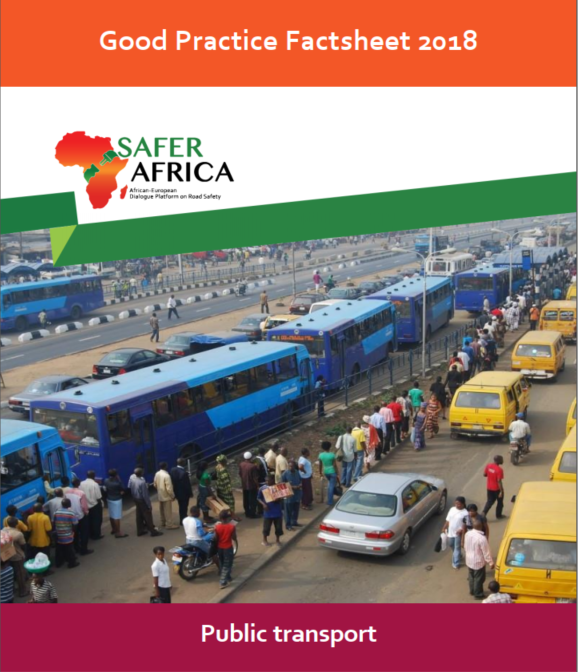
Public Transport
The shift from private motorised transport to public/rapid transport, such as rail ,metro and buses is associated with a wide range of potential benefits including lower rates of traffic injury risk. Strong public transport systems have the advantage of reducing traffic intensity, which is related to road traffic injuries and other health impacts. In developed countries for instance, the injury risk for public transport users is much lower than the risk for car users.
(more…)
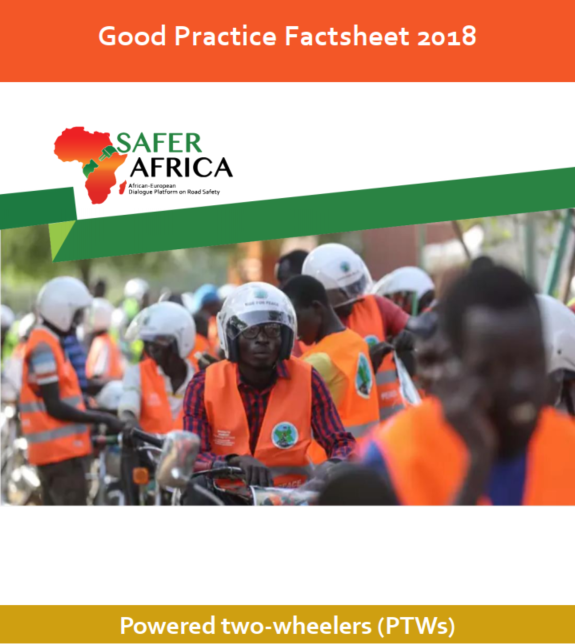
Powered Two-Wheels (PTWs)
In the African region, half of all road traffic deaths occur among vulnerable road users (pedestrians, cyclists and motorcyclists). (more…)
Read more...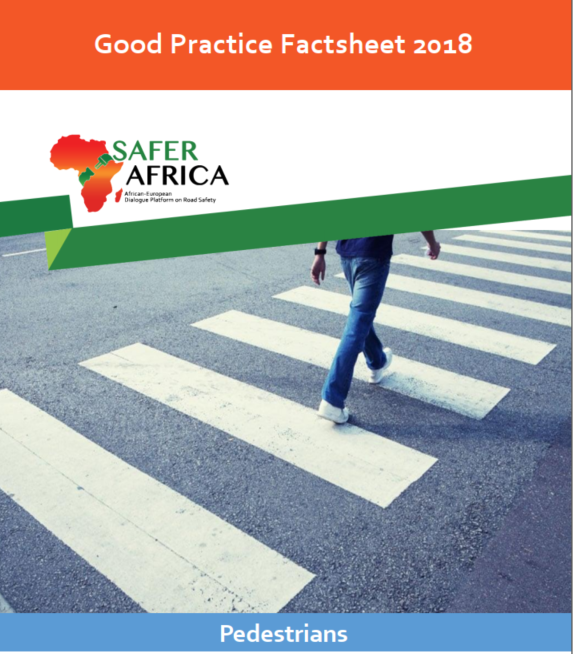
Pedestrians
Despite having the lowest level of motorization in the world, the African region has the highest estimated road traffic fatality rate of 26.6 per 100,000 population. (more…)
Read more... SaferAfrica